

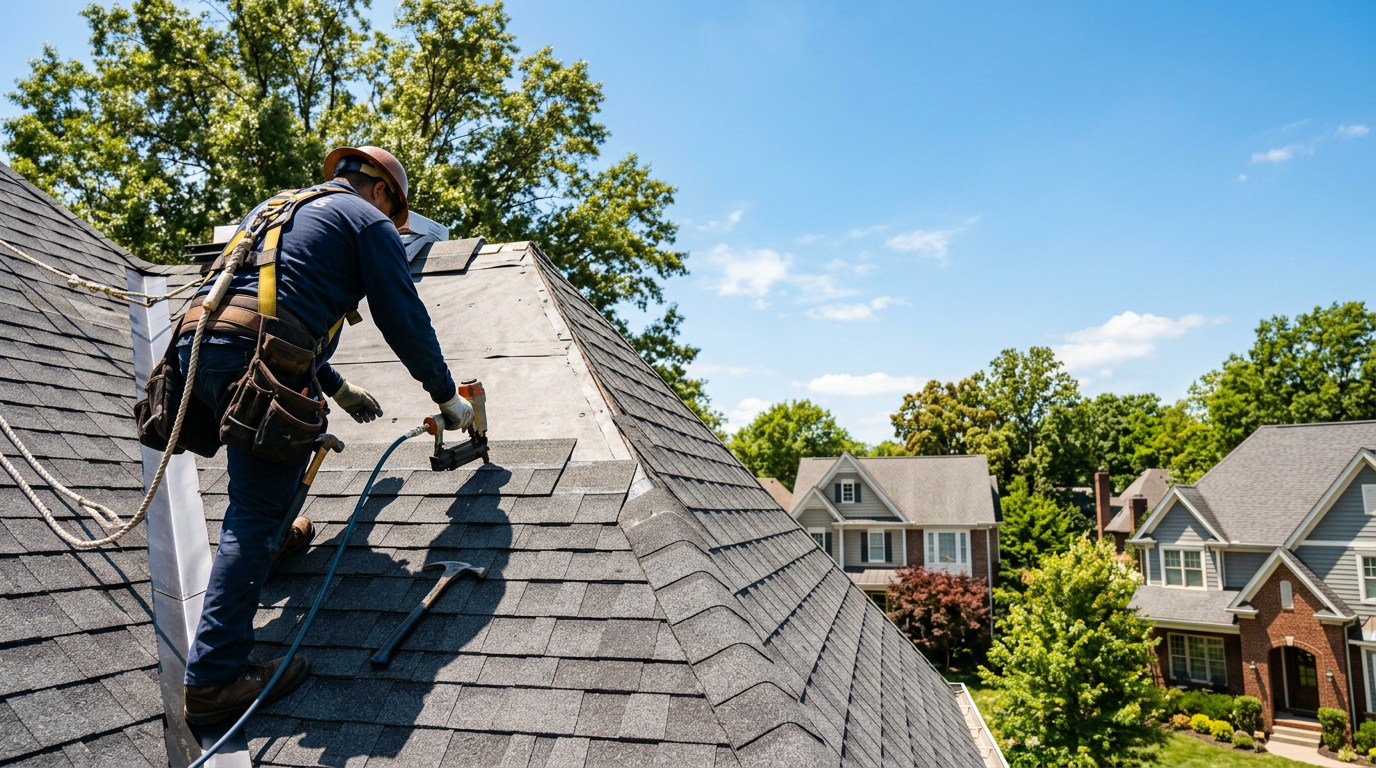
If you’re pricing a roof replacement cost per square foot in Louisville, you’ll quickly notice one thing: two homes can look similar from the street and still get very different numbers. That’s because the actual cost isn’t just about shingles. It’s about your roof’s size, shape, layers, and how much repair work is hiding under that old roof.
Below is a clear 2026 guide to roof replacement costs in Louisville, what typically raises or lowers the price, and how to plan for your new roof without guessing.
Louisville 2026 pricing: per square foot and per “square”
In Louisville, a full roof replacement commonly lands in a local total range of about $8,000–$15,000 for many homeowners, depending on the roof and shingle level.
For budgeting, you’ll often see:
- Roof replacement cost per square foot: roughly $4–$11 per square foot (installed), depending on materials and complexity.
- Roof size is also measured in a roofing square (or roofing square pricing). One roofing square (also called one square) equals 100 square feet. So “per square” pricing is just another way to quote the same job.
- Material-only pricing varies widely. Some roofing materials can run from about $1 to $30 per square foot depending on type and grade.
The honest truth: no online range beats an on-site measurement—a real inspection is the only way to turn a ballpark into your actual number.
The biggest key factors that change your price
Here are the key factors that most affect what you’ll pay to replace a roof in Louisville:
1) Roof size (and how it’s measured)
Your roof size is a major driver because it determines how much material is needed and how long the crew is on-site. A larger roof means more square feet, more underlayment, more shingles, and more labor.
2) Roof pitch and access
A steep pitch increases time and safety requirements. That raises labor costs and can add setup needs. Roof pitch is one of the quickest ways a quote climbs, even when the house footprint is the same.
This is why two houses with the same square footage can be quoted thousands apart—a steep, cut-up roof simply takes more time and safety gear to do right.
3) Roof complexity (valleys, skylights, chimneys)
Roof complexity matters. Valleys, dormers, skylights, and chimneys require more cuts, flashing work, and detail sealing. Complex roofs can increase overall cost by about 10%–25%.
4) Layers and tear-off (disposal is real money)
Removing multiple layers adds time and mess. The roof tear-off can take a few hours to a full day, depending on the home. Disposal costs and labor for tear-off often add roughly $1,500–$4,500 to the total cost on many jobs (and disposal can also be quoted around $1–$2 per square foot).
If your roof is aging or storm-battered, it pays to know the signs your roof needs replacement in Louisville before you spend money patching a roof that’s already done.
5) Decking condition (repairs and decking replacement)
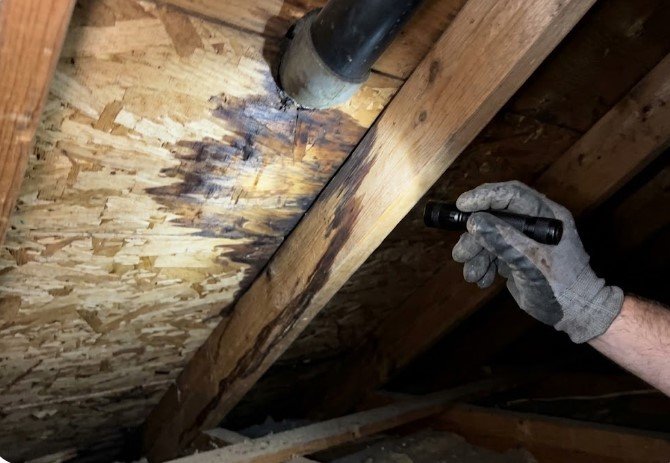
Once the existing roofing material comes off, the crew checks the wood. If there’s water damage, rot, or soft spots, you may need decking replacement (often new plywood). That can raise cost, but it’s also how you get a truly watertight system.
6) Material choice (asphalt vs metal vs tile/slate)
Your material choice changes both price and lifespan. A basic asphalt shingle roof is usually the most affordable route, while premium options cost more but can last longer.
Material comparisons (what you’re really paying for)
Asphalt shingles (most common in Louisville)
Asphalt shingles are popular because they’re cost-effective and repair-friendly. Material cost for standard asphalt can be around $1 to $1.20 per square foot (materials only), while installed pricing depends on grade and labor.
Many Louisville homes choose architectural shingles as a step up:
- Architectural shingles cost more than basic shingles, but they often look better and hold up better in wind.
- A common national-style range you’ll see for an asphalt shingle roof replacement is about $5,840–$10,100, though local totals vary by roof complexity, layers, and repairs.
Worth knowing before you upgrade: in its most recent (November 2025) round of testing, the Insurance Institute for Business & Home Safety evaluated a record 24 impact-resistant shingle products and found that while most earned a “Good” rating, “none achieved ‘Excellent.’” In other words, an impact-resistant label alone isn’t a guarantee—check the actual rating.
— Source: Insurance Institute for Business & Home Safety (IBHS), Hail Impact-Resistant Shingle Ratings, 2025
Metal roofing
Metal roofing usually comes with a higher upfront cost. Some published ranges show metal replacement around $10,245–$41,640, depending on metal type and roof size. You might also see metal shingles as an option for a more “shingle-like” look.
Think in decades, not just dollars: a pricier roof that lasts twice as long can quietly cost less per year than a budget option you replace sooner.
Clay tiles and slate
Premium roofs like clay tiles and slate can be stunning, but they’re heavier and more specialized. Tile replacement is often quoted around $10,665–$20,900 in broad estimates. Slate roofs can have extreme longevity (some sources cite up to 150 years), but the install and repairs require specialist crews.
Roofing installation timeline: from inspection to final cleanup
Most roof replacements take 1–3 days once work begins. Many average-sized homes under about 2,500 square feet can be done in 1–2 days if the roof is straightforward and the weather cooperates.
What can slow things down:
- Complex roofs (more valleys and details)
- Deck repairs after tear-off
- Weather delays (rain can pause installation for safety and performance)
A reputable roofing company will spell out the roofing installation plan, daily protection, and cleanup steps so you know what to expect when your roof gets roof replaced.
One detail worth confirming in your scope is ventilation. According to ENERGY STAR, a well-vented attic “moves super-heated air out of the attic, protecting roof shingles” and, in winter, helps prevent the ice damming that can damage a roof—so proper venting helps your new roof last.
— Source: ENERGY STAR (U.S. EPA), “About Attic Ventilation”
Insurance, financing, and how to keep it affordable
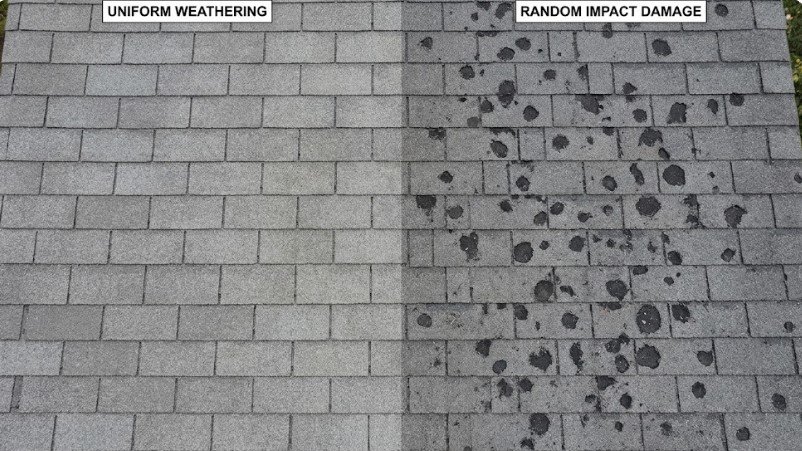
Sometimes homeowners insurance may help if there’s verifiable storm damage (not simple wear). If you suspect damage, schedule an inspection and document everything.
Storm damage is a real factor in Kentucky. NOAA’s National Centers for Environmental Information reports that from 1980–2024, Kentucky was affected by 92 separate billion-dollar weather disasters, “58 severe storm events” among them—and the pace has jumped to an average of 5.4 such events per year in 2020–2024. If a storm hits, here’s what to do after storm damage hits your roof.
— Source: NOAA NCEI, U.S. Billion-Dollar Weather and Climate Disasters — Kentucky
If insurance does not apply, financing can help spread payments out. Ask your roofing contractor about options, and make sure you understand what the workmanship warranty includes. (Superior Roofing highlights a 4-year workmanship warranty, which should cover workmanship-related issues during that period, not normal aging.)
“At Superior Roofing, we’d rather show you the rotten decking on camera than hide it under new shingles. An honest inspection, a clear scope, and a warranty in writing—that’s how a roof price stops being a guessing game.”
— The team at Superior Roofing and Restoration
For a detailed quote from a reputable roofing contractor in Louisville, contact Superior Roofing or call 502-232-4863.
FAQs
1) What is the roof replacement cost per square foot in Louisville?
In many 2026 estimates, roof replacement cost per square foot often falls around $4–$11 per square foot installed. Your final price depends on tear-off, repairs, and material choice.
A local total range many homeowners see is roughly $8,000–$15,000, but a site inspection is the only way to pin down your number.
2) What does “per square” mean in roofing?
A roofing square is a measurement equal to 100 square feet. So when a roofer quotes “per square,” they’re pricing the job in 100-square-foot blocks.
You can convert between per square and per square foot easily once you know the total squares.
3) What factors raise roof replacement costs the most?
The biggest cost drivers are roof size, roof complexity, steep pitch, layers to tear off, and repairs like decking replacement due to rot or water damage.
Features like valleys, skylights, and chimneys also add labor and flashing detail work.
4) How much do tear-off and disposal add?
Tear-off and disposal commonly add significant cost because it’s labor-heavy and includes dump fees. Many projects see an added $1,500–$4,500, and some quotes break disposal out at about $1–$2 per square foot.
If you have multiple layers, expect higher removal time and cost.
5) Do steep roofs cost more?
Yes. A steep pitch increases safety requirements and slows production, which raises labor costs. It can also require extra staging and fall protection.
That’s why two roofs with the same footprint can price out very differently.
6) Is metal roofing always worth the higher cost?
Not always, but it can be—depending on your goals. Metal roofing can offer long life and strong performance, but upfront pricing is higher than shingles.
If budget is tight, architectural shingles may be a good middle ground between basic asphalt and metal.
7) How long does a roof replacement take?
Most projects take 1–3 days once the crew starts. The roof tear-off may take a few hours to a full day, and repairs can extend the timeline.
Bad weather can also pause work for safety and to protect the roof system.
8) Will homeowners insurance cover a roof replacement?
Insurance may help if there’s covered storm damage and you can document it. It usually won’t cover a roof that’s simply worn out due to age.
Start with an inspection and photos, then talk through next steps with your insurer and contractor.
9) What should I ask a roofing company before I sign?
Ask what’s included in the quote: tear-off, underlayment, flashing, ventilation, decking repairs, cleanup, and warranty terms. Also ask who is responsible for protecting landscaping and the driveway during the job.
A clear scope is how you avoid surprise add-ons later.
10) What does a workmanship warranty cover?
A workmanship warranty generally covers issues caused by installation errors (not hail, wind events beyond ratings, or normal aging). If you’re told there’s a 4-year workmanship warranty, ask what scenarios are included and how claims are handled.
Get warranty terms in writing before the project begins.
Ready for an accurate, no-guessing number? Schedule your free inspection with Superior Roofing.