

Fast wind damage roof repair in Louisville, KY starts the moment you spot the first sign. After a windstorm, look for shingles that are missing, lifted, or curled, granules collecting in the gutters, and fresh stains inside, then photograph everything before you touch it. Most storm damage roof repair goes faster and costs less when it is caught early.
The storm passes, the sky clears, and you step outside to find shingle pieces scattered across the lawn. If that is your morning, wind damage roof repair in Louisville, KY is probably the next call you need to make, ideally before the next round of rain. The short version: check for visible damage, document everything, and get a professional inspection fast, because small gaps turn into interior leaks quickly.
Kentucky weather does not go easy on roofs. Between spring thunderstorms and summer gusts, high winds and severe weather batter shingles across Jefferson County and the wider Kentuckiana area every year. When the damage is real, our storm damage restoration work gets your roof back to pre-storm shape and handles the parts most homeowners dread.
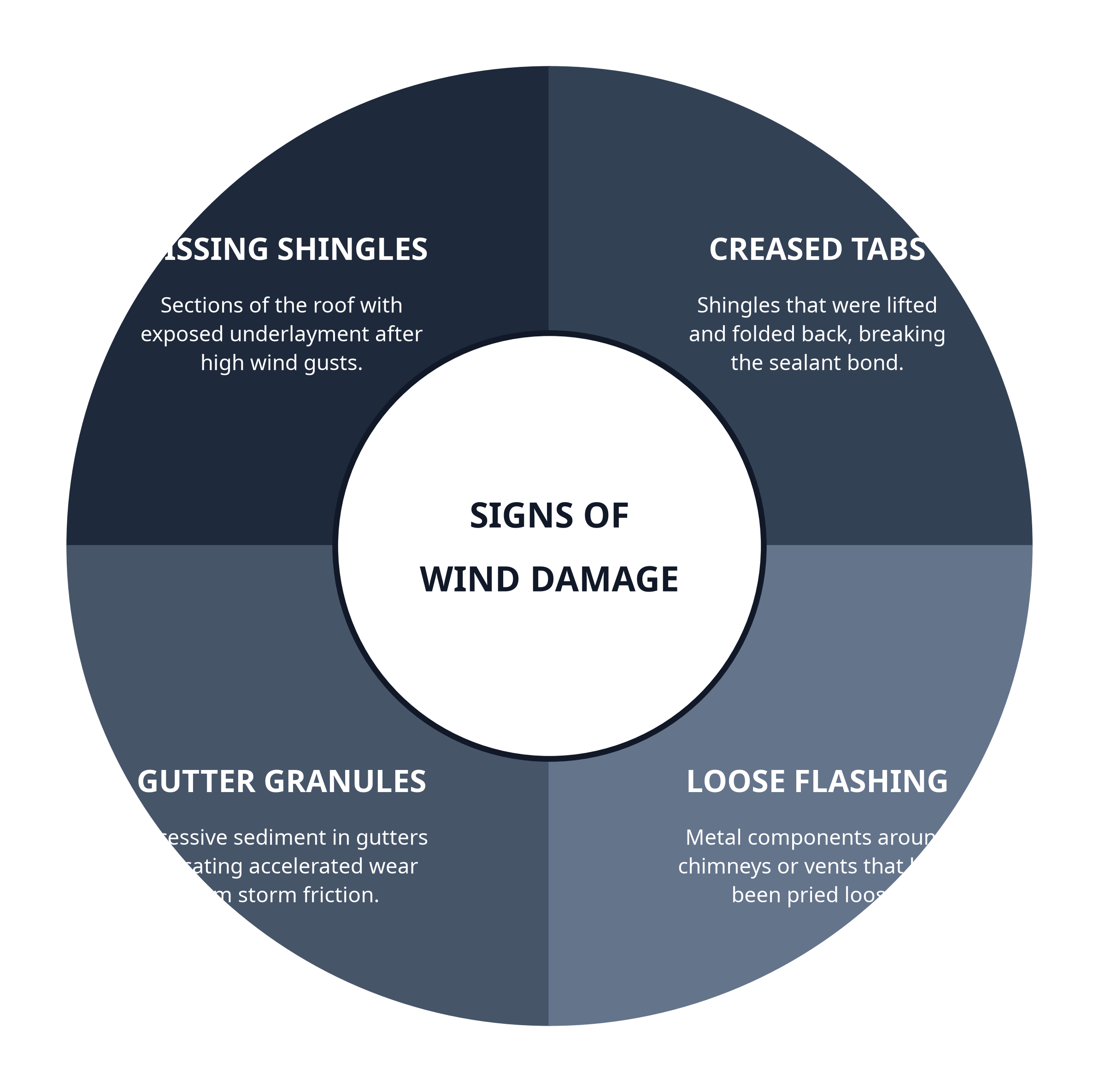
Signs Your Roof Has Wind Damage
Most roof wind damage is easier to spot than people expect, and you rarely need to climb up to see it.
A slow walk around the house, plus a look in the attic, tells you a lot. Catch these early and you avoid the bigger repairs later.
Here is what to look for after a storm:
- Missing or lifted shingles, often visible from the ground or lying in the yard.
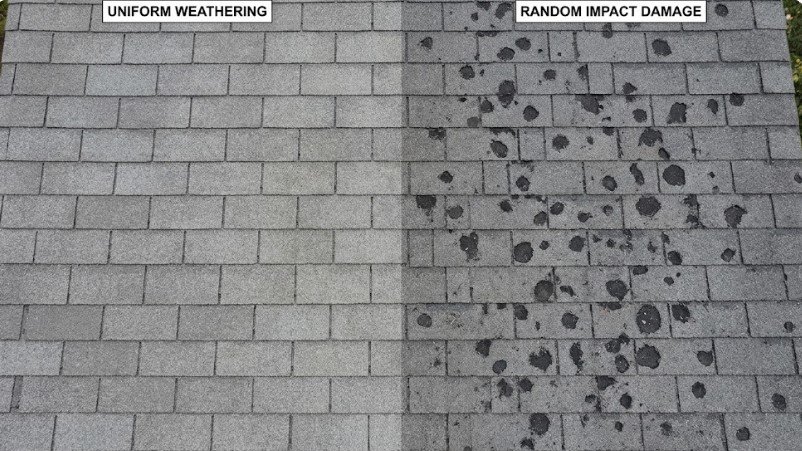
- Curled or cracked shingles, especially along edges and ridgelines.
- Damaged flashing around chimneys, vents, and valleys, where even a small lift lets water in.
- Granule loss, showing up as gritty buildup in gutters and at the base of downspouts.
- Exposed underlayment or bare patches where shingles used to sit.
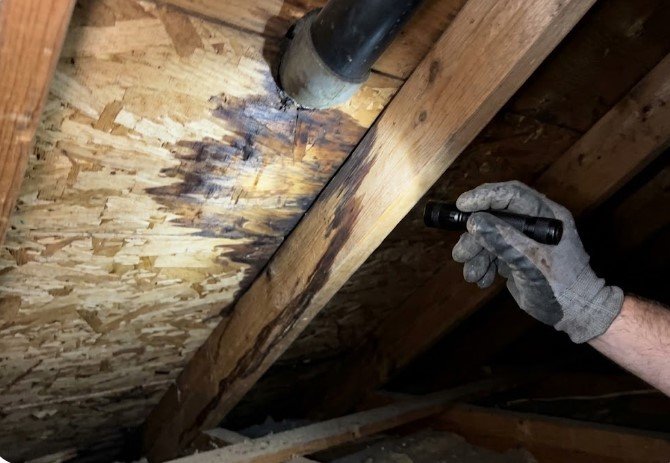
An asphalt shingle roof is built to flex, but repeated gusts break the seal that keeps it watertight. If you see daylight through the attic or fresh stains on the ceiling, treat that as urgent.
What to Do Right After a Windstorm
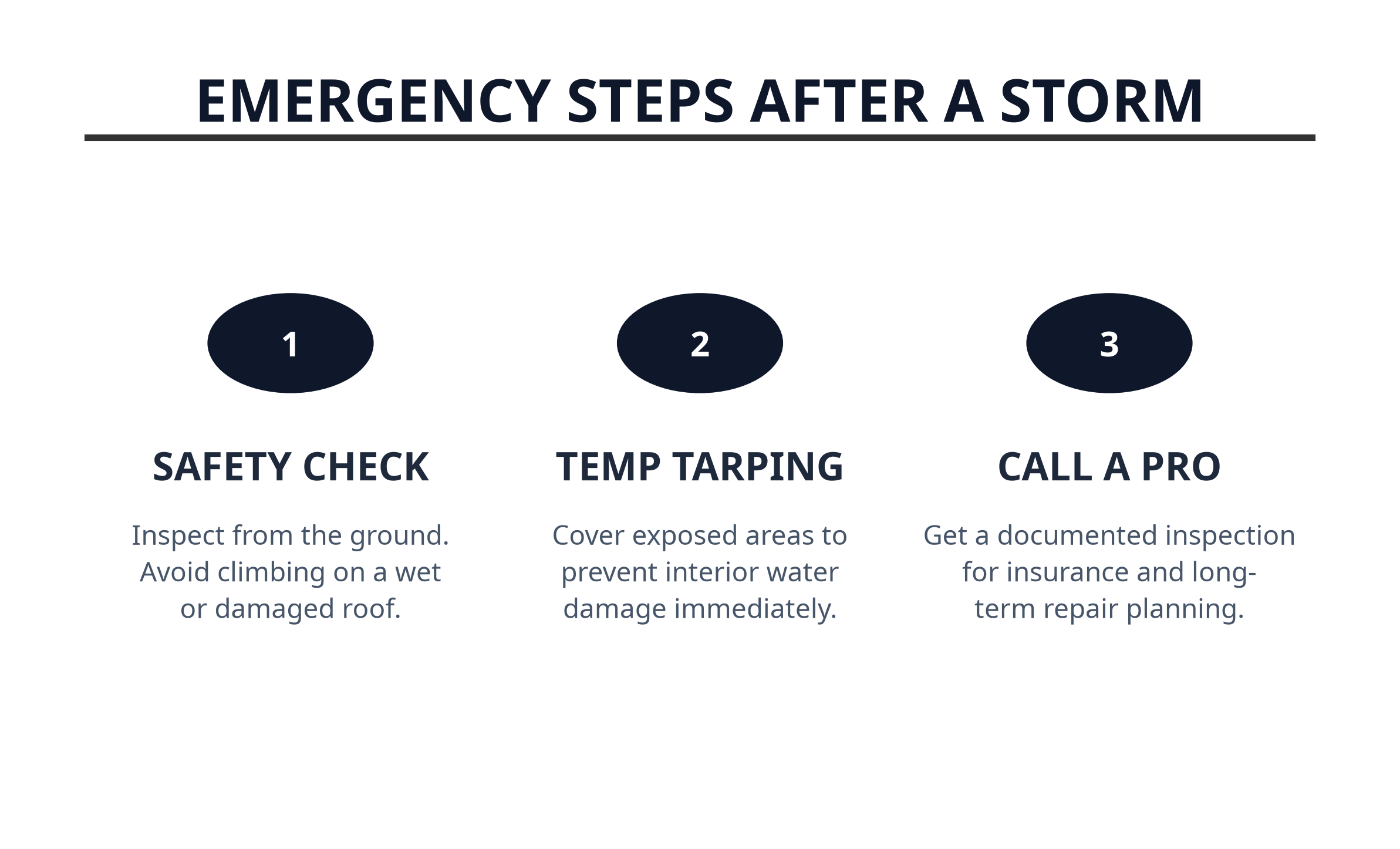
The first hours matter. A few calm, careful steps protect your home and your future insurance claim at the same time. Work from the ground and stay safe, since a storm-damaged roof is no place to be climbing around.
Follow this order:
- Document everything. Take clear photos and video of the roof, the yard debris, and any interior spots before moving anything.
- Contain the inside. If you have active leaks and water damage, move belongings and set out buckets to limit the mess.
- Make temporary fixes only if safe. Cover a broken window or catch drips, but leave the roof itself to a pro to prevent further damage.
- Call your insurer to start the process and ask what your policy requires.
- Book a free roof inspection with a local roofer who can assess and document the full extent.
Acting quickly is how most Louisville KY homeowners keep a small problem from becoming a ceiling repair.
Our Wind Damage Roof Repair Process
Good wind damage roof repair is methodical, not rushed. It starts with a detailed roof damage assessment, complete with photos and video, so you see exactly what we see. Nothing gets recommended that your roof does not truly need.
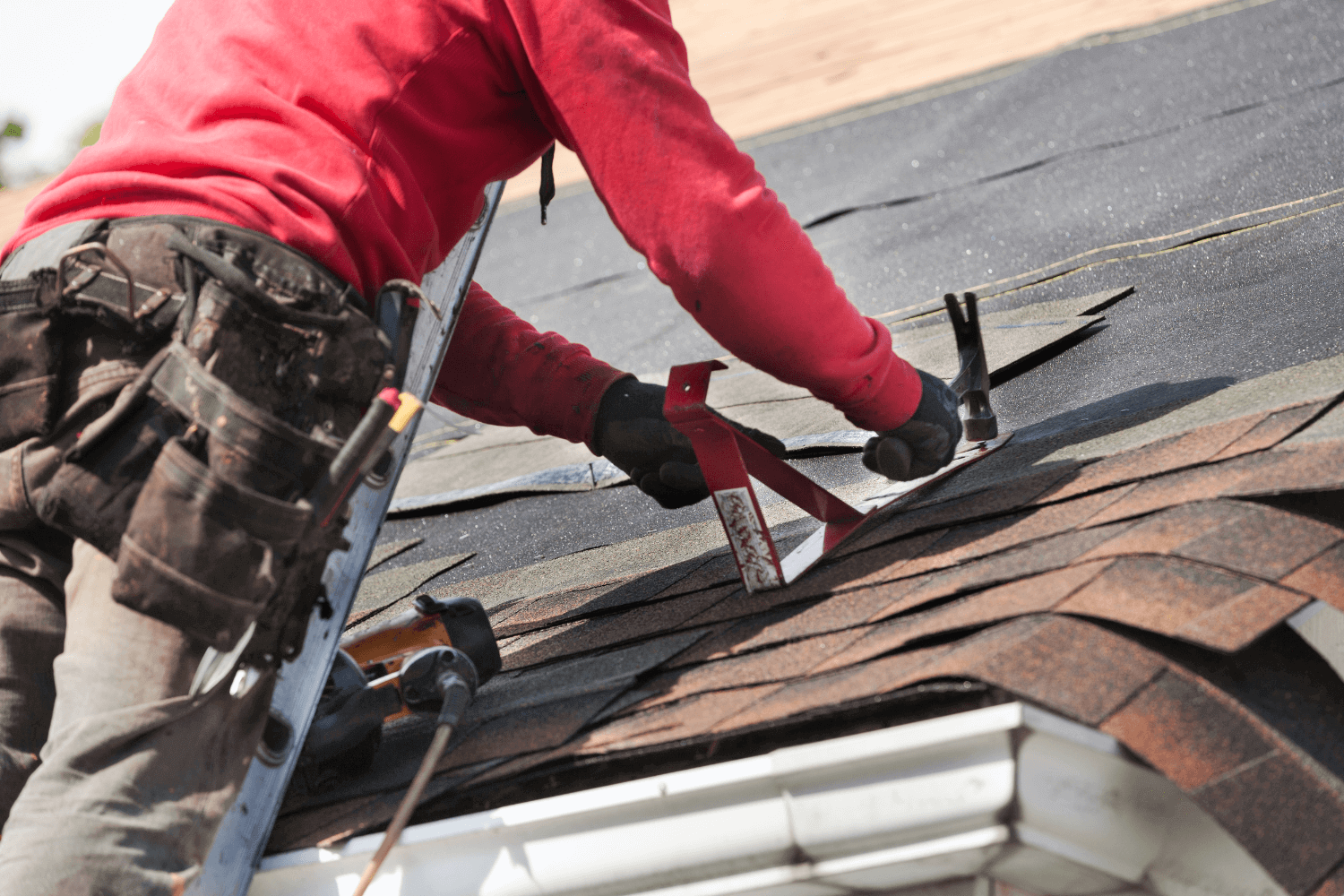
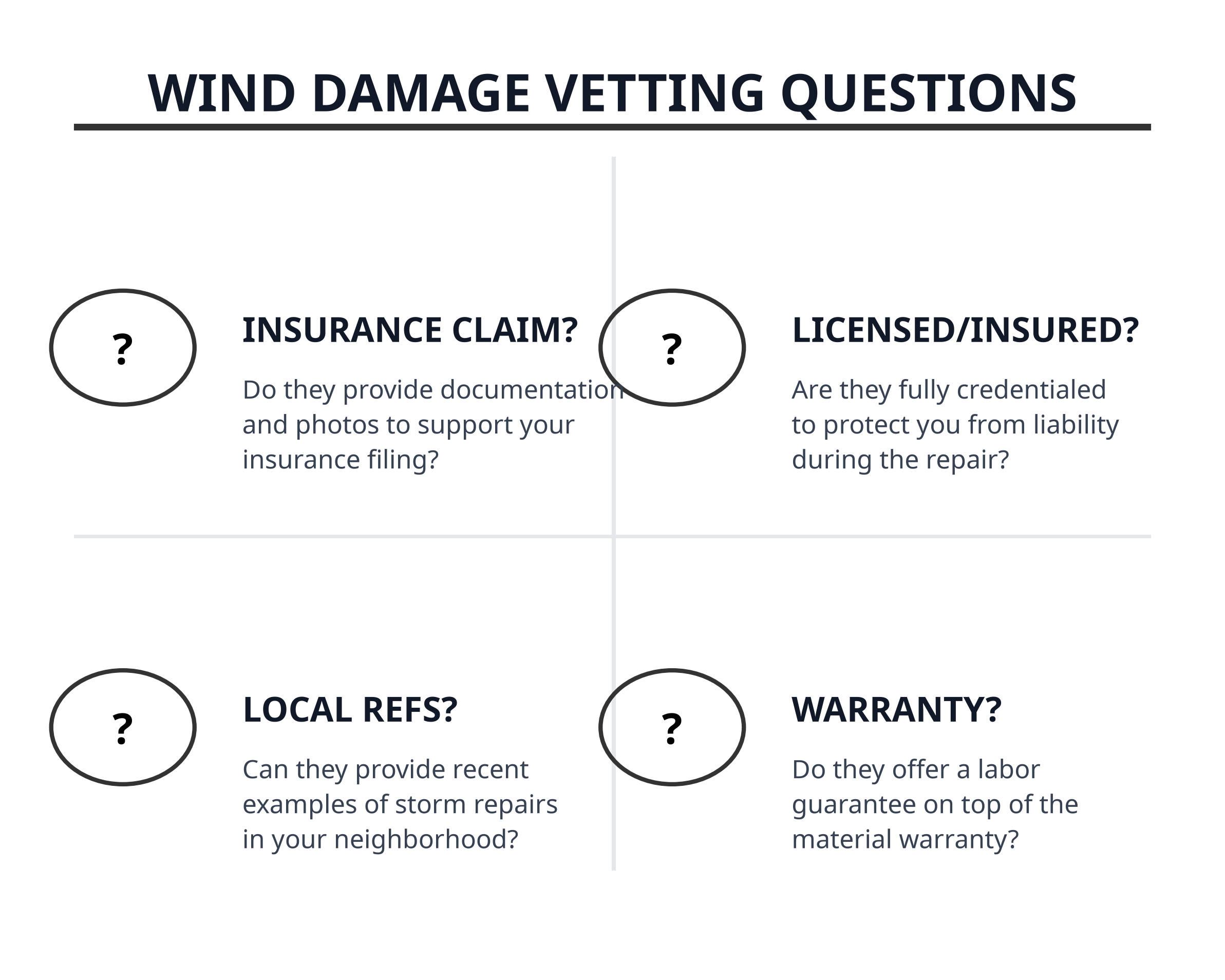
From there, our crew handles the professional roof repair itself, matching new materials to your existing system for a clean, watertight result. As licensed and insured roofers, we follow manufacturer specs on every repair, which protects both your home and your material warranties. That discipline is what produces quality workmanship that holds up over time.
We back the work, too, and every repair carries our 4-year workmanship warranty, so these are warranty-backed repairs you can trust. They are built to be durable, long-lasting repairs, not quick patches that fail by the next storm.
As an experienced roofing contractor, our roofers across Louisville treat every roof like it is our own.
Filing a Roof Insurance Claim for Wind Damage
Wind and hail damage is often covered, which makes the insurance side worth getting right. An insurance claim for roof damage usually starts with your photos, the date of the storm, and a professional inspection report. The stronger your documentation, the smoother the payout.
Working with your insurance company goes better when you understand a few basics. Know your deductible, keep a written record of every call, and let the adjuster and your roofer compare notes on the damage. A clear, step-by-step overview of filing a claim can help you know what to expect.
Emergency Roof Repair and Tarping
When water is coming in, you cannot wait for a full repair to be scheduled. Emergency roof repair is about stopping the damage now, then fixing it properly once the weather clears. The goal in that first visit is simple: keep the inside of your home dry.
That usually means roof tarping over the affected area to seal out rain until materials and crews are lined up. A well-placed tarp buys you time and protects your ceilings, insulation, and belongings. It is a temporary step, but an important one.
From St. Matthews to Jeffersontown, homeowners across Metro Louisville deal with the same sudden storms. Fast, careful response is part of our residential roofing services, especially during Kentucky’s busiest storm stretches. If your roof is actively leaking after a windstorm, do not wait it out.
Get a Free Roof Inspection and Estimate
A windstorm leaves enough to worry about without guessing at your roof. The fastest way to peace of mind is a professional set of eyes on it, with photos and a clear explanation of what, if anything, needs fixing.
If you think you need wind damage roof repair in Louisville, KY, the first step costs nothing. You can schedule your inspection and get a straight answer on the damage. When you are ready, request a free estimate and we will walk you through the options.
Frequently Asked Questions
How do I know if my roof has wind damage?
Look for missing, lifted, or curled shingles, grit from granules in your gutters, and any daylight or water stains in the attic. A lot of wind damage is subtle, so a professional inspection is the only way to be sure.
Does homeowners insurance cover wind damage to a roof?
Usually, yes. Most policies cover sudden storm damage from wind and hail, though wear and tear is excluded. Check your deductible and document everything, since strong evidence leads to smoother claims.
How quickly should I act after a storm?
As soon as it is safe. Even one missing shingle can let water in during the next rain, so documenting damage and scheduling an inspection within a day or two protects both your home and your claim.
Should I repair or replace my roof after wind damage?
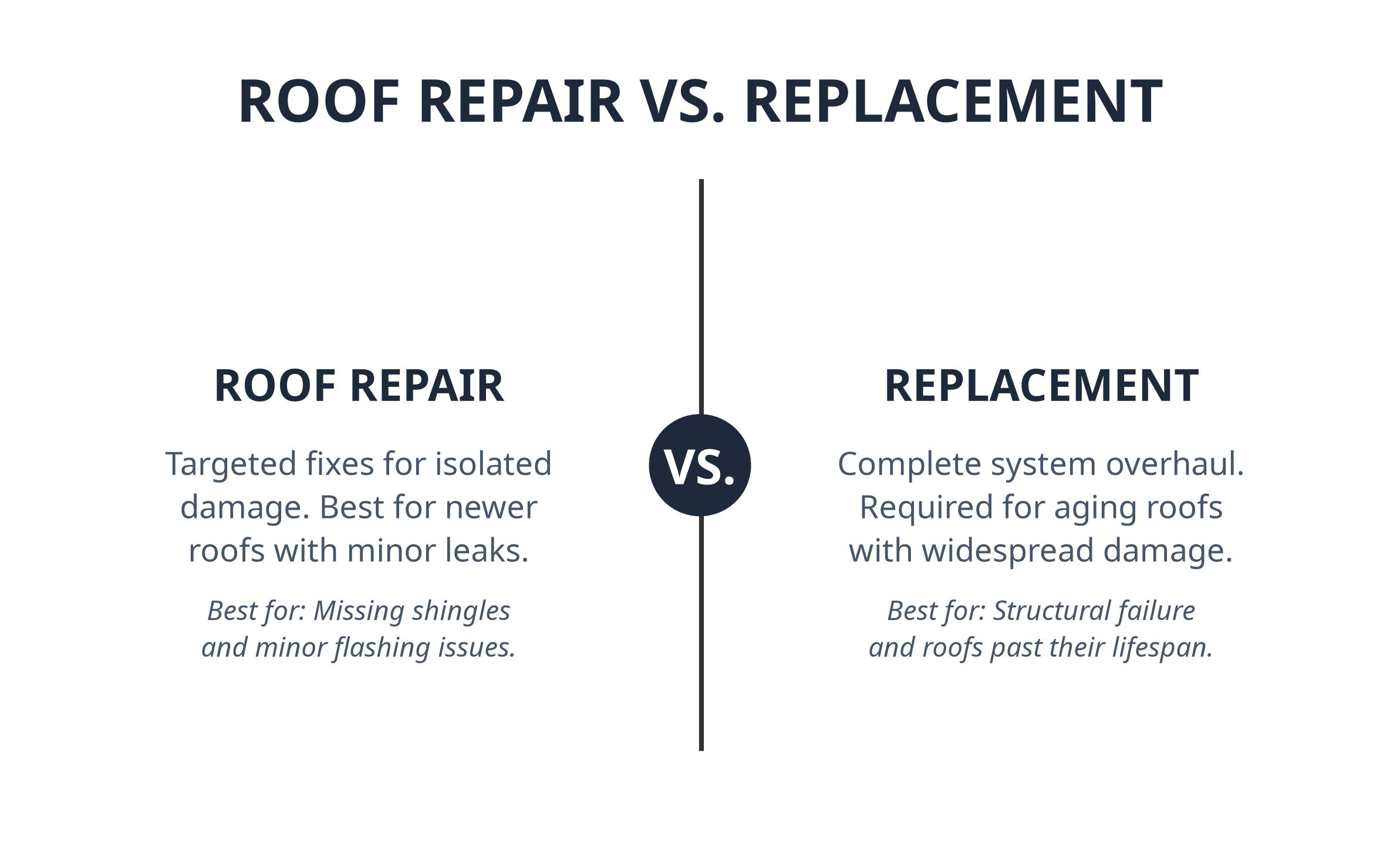
It depends on the roof’s age and how widespread the damage is. Isolated damage on a newer roof is often a straightforward repair, while an older roof with widespread issues may be better replaced. A detailed inspection makes the call clear.
Can you tarp my roof if it is leaking right now?
Temporary tarping is exactly what emergency response is for. Sealing the affected area limits interior damage and buys time to complete a proper repair once conditions allow.
Are you licensed, insured, and do you warranty your work?
Yes. Superior Roofing and Restoration is licensed and insured, and every repair is backed by a 4-year workmanship warranty. The materials we install also carry their own manufacturer warranties.