

The main types of roofing materials for homes are asphalt, metal, tile, slate, wood, and flat membrane. They range widely in cost and lifespan, from budget options to century-lasting slate. For most Louisville homes, architectural asphalt shingles hit the sweet spot on price, durability, and storm resistance.
Replacing a roof is a big decision, and it usually starts with one question: which material is right for your home? Knowing the main types of roofing materials, and how they stack up on cost, lifespan, and durability, makes that choice far less overwhelming. This guide breaks them down for Louisville KY homeowners.
We install and repair roofs across the metro, so our residential roofing advice is grounded in what actually performs here. For most homes, that means architectural asphalt shingles, but it helps to see the full picture first. Here is how the options compare.
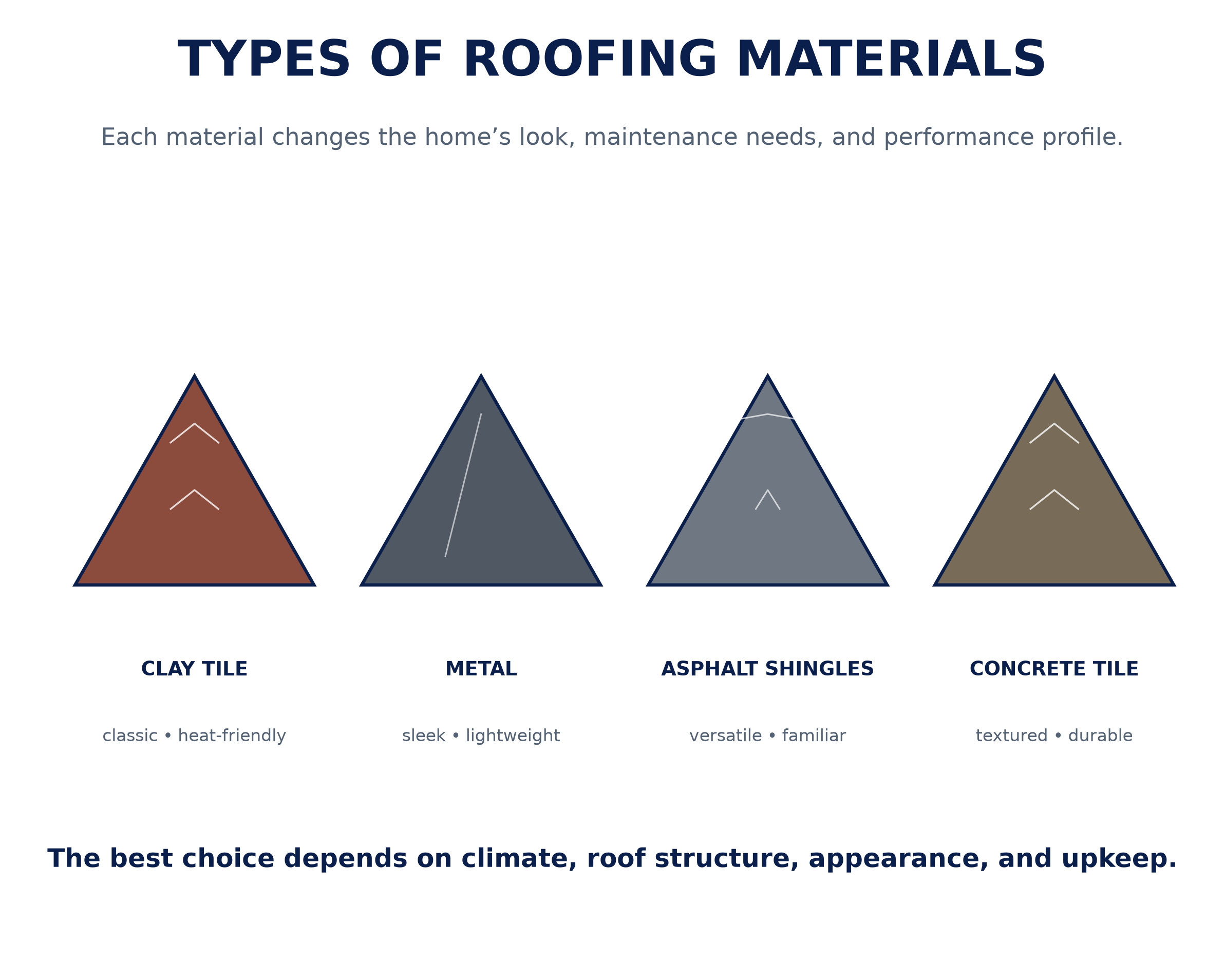
Types of Roofing Materials for Homes
There are six main roofing materials for homes, and each has a clear trade-off between price and longevity. In general, roof lifespan and durability rise with cost, so the longest-lasting materials also carry the highest price tags. If your current roof is aging, our 7 signs guide can help you tell a repair from a full replacement.
| Material | Lifespan | Installed Cost (per sq. ft.) | Best For |
|---|---|---|---|
| Architectural asphalt shingles | 25–30 years | $4–$6 | Best value, most homes |
| Metal (standing seam) | 40–70 years | $5–$16 | Longevity, energy savings |
| Clay or concrete tile | 50–100 years | $7–$25 | Hot climates, distinctive style |
| Slate | 75–150 years | Premium, top tier | Historic, luxury homes |
| Wood shakes | 25–40 years | Mid-to-high | Rustic, natural look |
| Flat (TPO/EPDM) | 20–30 years | Low-slope only | Flat or low-slope sections |
Important: These are modeled national ranges for planning, not local quotes. Actual roofing costs vary by material, roof size, pitch, tear-off, structural needs, and access.
As the table shows, cost per square climbs with durability, so the decision is really about how long you plan to stay and your budget. Whatever you choose, the hidden layers matter too, since quality underlayment and flashing are what keep water out regardless of the material on top.
Asphalt Shingles: The Most Popular Choice
Asphalt shingles cover the majority of American homes, and for good reason. The main choice is 3-tab vs. architectural shingles, where 3-tab is the flat, budget option and architectural is the upgrade. Also called dimensional shingles, architectural shingles are thicker, layered, and far more durable.
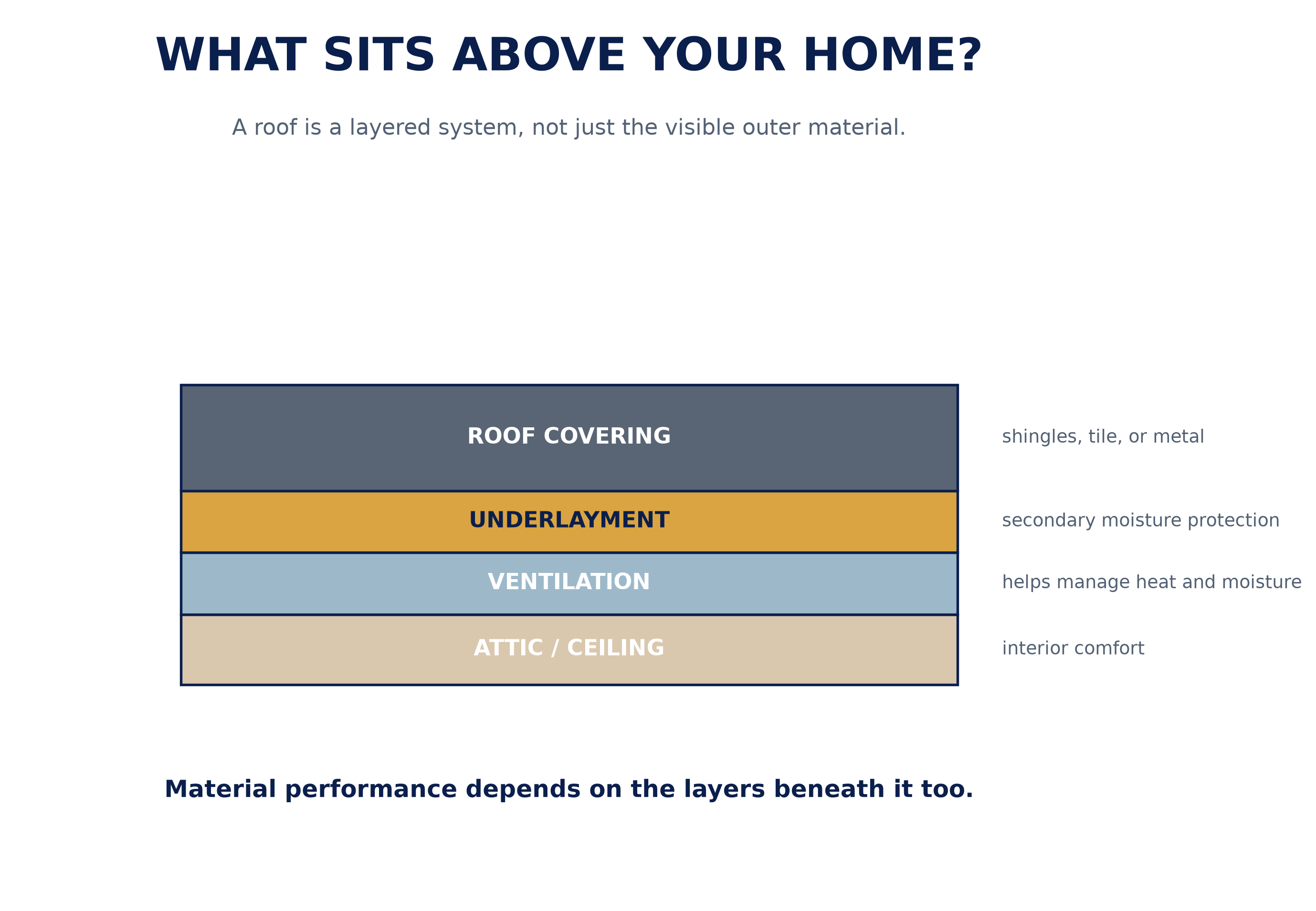
Here is why they dominate:
- Affordability, with the lowest upfront cost of any quality roofing material.
- Strong hail and wind resistance, especially in impact-rated or Class 4 architectural shingles.
- A wide color and style range that suits almost any home.
- Fast, straightforward repairs and replacement when storm damage strikes.
It is why most Louisville homeowners, including homeowners in Shelbyville, choose architectural shingles as the best value roofing for their money.
Metal Roofing: Durability and Longevity
If longevity is the priority, metal roofing is hard to beat. A quality metal roof lasts decades longer than asphalt and shrugs off wind, fire, and heavy rain. The trade-off is a higher upfront cost, as the table above reflects.
The premium option is a standing seam metal roof, with concealed fasteners and clean vertical lines that resist leaks. It is a favorite for both modern and farmhouse looks.
Metal also brings energy efficiency to the table. It reflects solar heat rather than absorbing it, which can trim cooling costs during Kentucky’s humid summers. For homeowners planning to stay put for decades, the long-term math often works out.
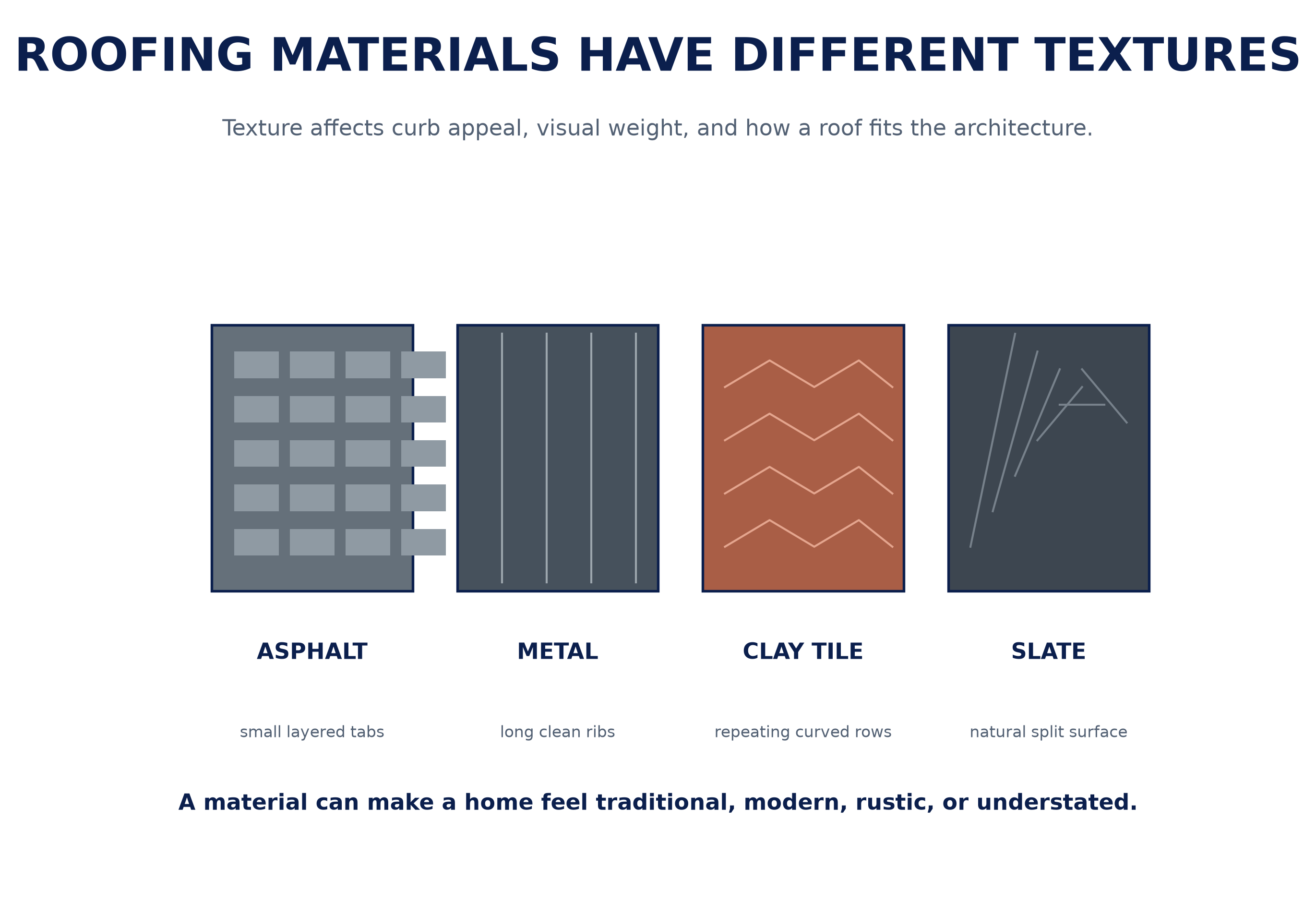
Tile, Slate, and Premium Options
At the top of the market sit tile and slate. Clay and concrete tile last 50 to 100 years and offer a distinctive, Mediterranean-style look, though the weight usually requires a reinforced roof structure. They are more common in hot, dry climates than in Kentucky.
Slate roofing is the premium of premiums, lasting a century or more with unmatched elegance. It is beautiful and nearly permanent, but it is heavy, expensive, and requires specialized installers.
These materials deliver serious curb appeal and home value, but they are a big investment. For most Louisville homes, the cost and structural demands make them a niche choice rather than a practical one.
Wood Shakes and Synthetic Materials
Wood shakes and shingles bring a natural, rustic charm that many homeowners love. Cedar is the classic choice, weathering to a soft silver over time. The downsides are higher maintenance and stricter fire codes in some areas.
A modern answer is synthetic and composite roofing, engineered from polymers to mimic the look of slate or wood at a lighter weight and lower cost. These products have grown fast because they deliver premium looks with far less upkeep.
Synthetics also perform well on weather and impact resistance, often carrying strong hail ratings. For homeowners who want the wood or slate aesthetic without the drawbacks, they are worth a look.
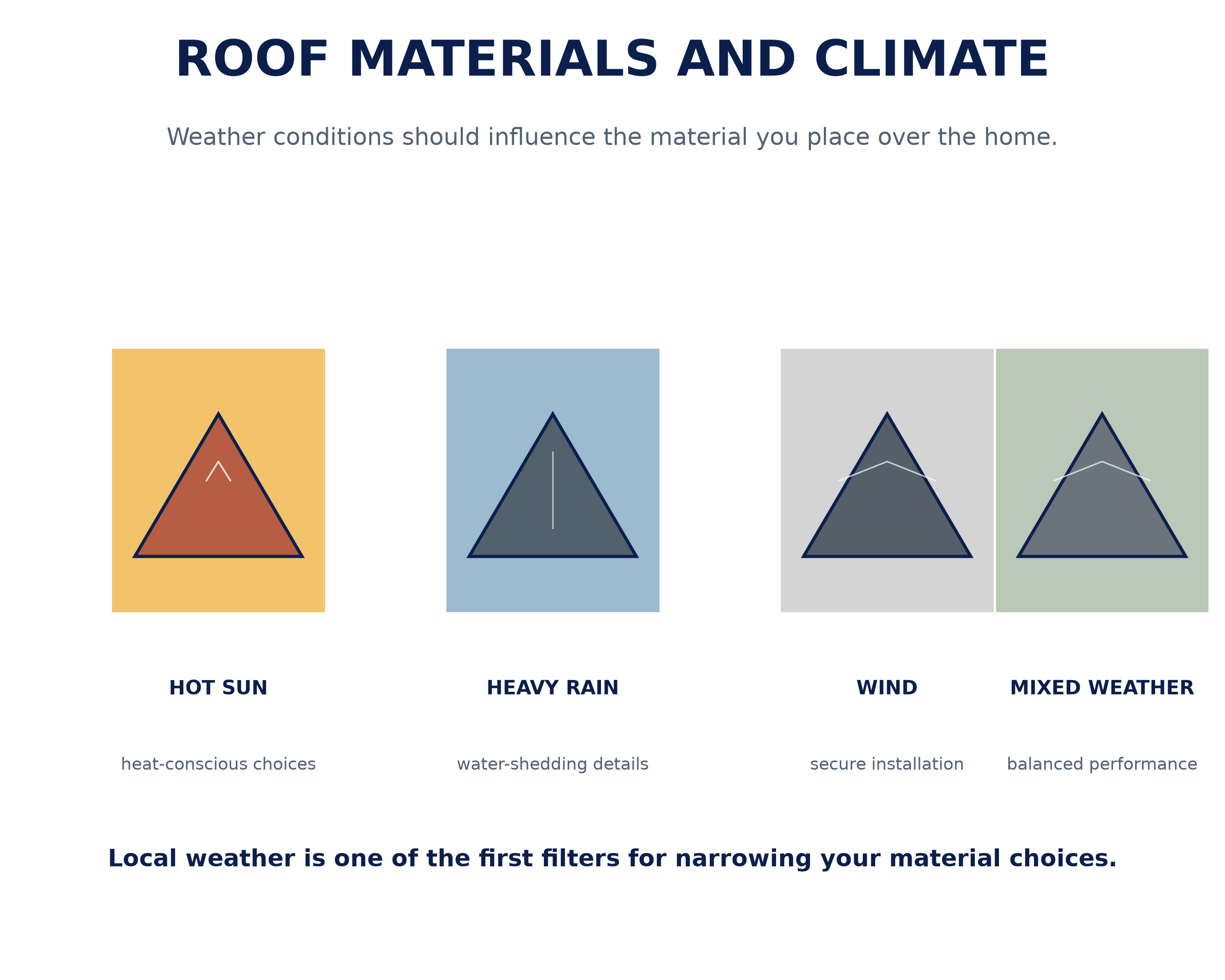
Flat and Low-Slope Roofing Options
Not every roof is steeply pitched. Flat and low-slope roofing shows up on porches, additions, and some modern homes, and it needs a different system than shingles. Water has to be actively shed rather than simply running off.
The common solutions are TPO and EPDM membranes, single-ply sheets designed to seal a low-slope surface against standing water. TPO is a light, reflective option, while EPDM is a durable rubber membrane.
The deciding factor is roof pitch and slope. Shingles need a certain minimum pitch to shed water, so anything flatter calls for a membrane system instead. Many homes use both, with shingles on the main roof and a membrane over a low addition.
Which Roofing Material Is Best for Louisville Homes?
For the vast majority of local homes, architectural asphalt shingles are the smart pick. Kentucky weather and storms, from humid summers to freeze-thaw winters and spring hail, are hard on roofs across Jefferson County, Oldham County, and Southern Indiana. Impact-rated architectural shingles handle all of it at a price that makes sense.
Here is how to narrow your own choice:
- Weigh how long you plan to stay in the home against each material’s lifespan.
- Set a realistic budget, remembering that cheaper roofs are often replaced sooner.
- Factor in your roof’s slope, since it dictates which materials will even work.
- Prioritize storm and hail performance, which matters more than looks in our climate.
- Get a professional inspection before committing to any material.
Whatever you choose, the install makes or breaks it. Professional roof installation with quality underlayment, correct flashing, and proper ventilation is what actually delivers the lifespan on the label. As licensed and insured roofers, we back every job with a 4-year workmanship warranty.
Not sure where your roof stands? Whichever of these types of roofing materials fits your home, the best first step is a free roof inspection with photos and a clear assessment. Schedule a free inspection and we will help you decide with no pressure.
Frequently Asked Questions
What are the main types of roofing materials for homes?
The six common options are asphalt shingles, metal, clay or concrete tile, slate, wood shakes, and flat membrane roofing. Asphalt shingles are by far the most popular for their balance of cost and performance.
What’s the difference between 3-tab and architectural shingles?
3-tab shingles are flat, uniform, and the cheapest option, while architectural (or dimensional) shingles are thicker, layered, and more durable. Architectural shingles resist wind and hail better and last longer, which is why most homeowners choose them.
Which roofing material lasts the longest?
Slate leads at 75 to 150 years, followed by clay or concrete tile at 50 to 100 years and metal at 40 to 70 years. Architectural asphalt shingles typically last 25 to 30 years.
Which roofing material is best for Kentucky’s climate?
Impact-rated architectural asphalt shingles are the best fit for most Kentucky homes, handling hail, wind, humidity, and freeze-thaw well at a reasonable price. Metal is an excellent long-term option for those who plan to stay put.
Which material offers the best value?
For most homeowners, architectural asphalt shingles offer the best value, combining a fair price with solid durability and strong storm performance. Metal wins on lifetime value if you plan to stay in the home for decades.
How do I know if I need a new roof or just a repair?
Signs like widespread missing shingles, granule loss, leaks, sagging, or an aging roof past its lifespan usually point to replacement. A professional inspection is the reliable way to know for sure.